Baking Basics
Altitude changes the boiling point and everything follows from that
Above roughly a thousand metres a reliable cake recipe stops behaving, and the cause is one physical fact about air pressure that propagates into leavening, moisture and sugar work alike.
By Clara Lindqvist4 min read
Pressure is the variable, not height
Height is only a proxy. What actually changes as you climb is the weight of atmosphere pressing down on everything in the kitchen, and that pressure is what sets the temperature at which water can boil. At sea level the vapour pressure of water matches the atmosphere at 100 degrees Celsius. Reduce the outside pressure and the water needs less energy to break free, so boiling starts earlier — around 95 degrees at the altitude of a city like Denver, and lower still in the mountains above it.
A rough working figure is a drop of about one degree for every three hundred metres gained, though the relationship is not perfectly linear and weather shifts it by a fraction on any given day. The consequence is that every temperature-dependent process in baking has been quietly redefined. Water leaves the batter sooner, gas inside a bubble is pushing against less resistance from outside, and the syrup on your thermometer means something different from what the recipe assumed.
Gas expands further, so the leavening overshoots
A bubble in a batter holds its size through a balance between the pressure of the gas inside and the pressure of everything outside pushing back. Weaken the outside term and the same quantity of carbon dioxide inflates a larger bubble. In practice a cake at altitude rises faster and higher than intended, the cell walls stretch thinner than the batter can support, and the bubbles merge and rupture before the structure has set. The cake falls in the middle, usually while you are watching it through the door.
That is why the first correction anyone at altitude learns is to cut the leavening, often by a quarter to a third of what a sea-level recipe specifies. It feels counterintuitive to reduce the rise when the problem presented itself as a collapse, but the collapse was caused by too much lift too early. Raising the oven temperature by ten to fifteen degrees works alongside it, setting the proteins and starch sooner so the structure is rigid before the bubbles have time to overreach.
Water leaves faster and takes the recipe with it
Evaporation accelerates for the same reason boiling does, and mountain air tends to be dry to begin with. A batter at altitude loses moisture more quickly during mixing, resting and baking, which sounds trivial until you consider what it does to concentration. As water goes, the sugar left behind is dissolved in less of it, the syrup fraction becomes more concentrated, and sugar in a concentrated solution raises the temperature at which the surrounding starch and protein will set. The structure is trying to firm up while the timetable moves away from it.
The standard responses follow directly. Add liquid, commonly a tablespoon or two per cup of flour, to replace what will be lost. Reduce the sugar slightly so the set is not pushed later. Add an extra egg to a large cake for the protein it brings, since more structure is exactly what an over-expanded crumb is short of. Each of these is aimed at a different link in the chain, which is why applying just one of them rarely fixes a recipe outright.
Yeast and fermentation run on a shorter clock
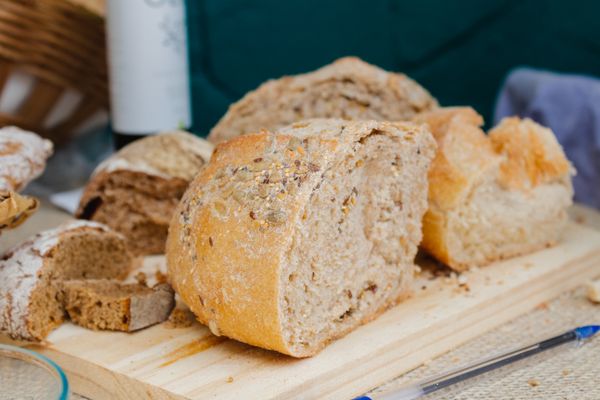
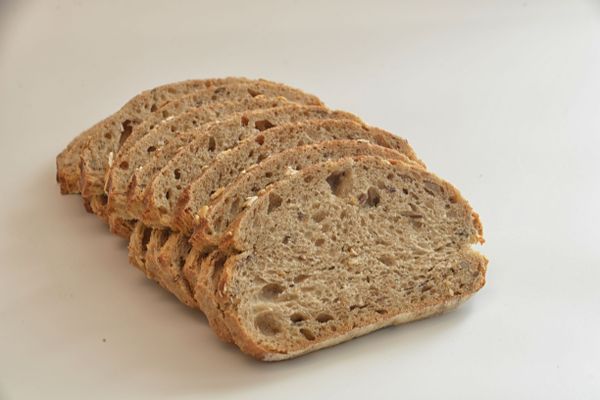
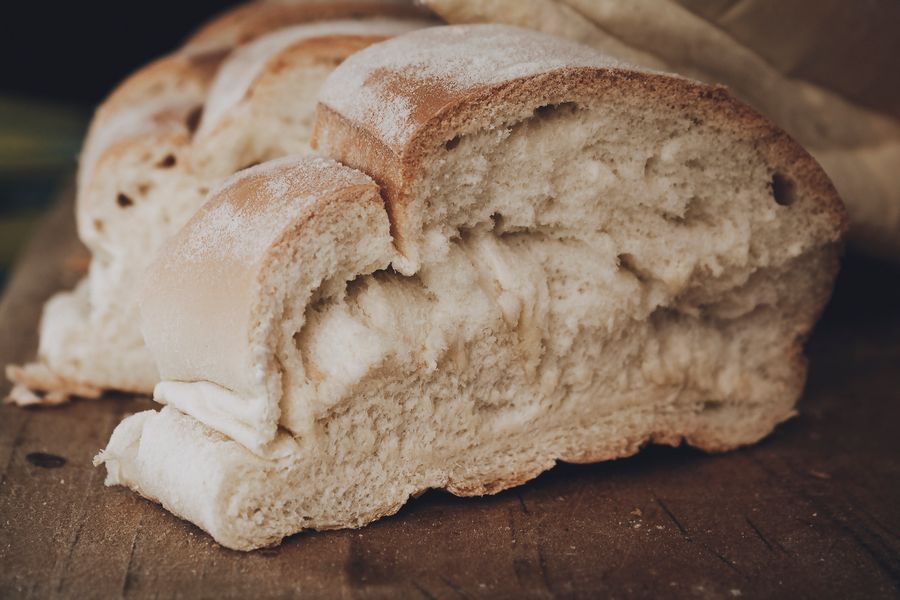
Dough at altitude proves faster, and again the pressure difference is doing it rather than any change in the yeast. The same gas production inflates the dough further, so a loaf reaches the visual cue for a finished first rise before fermentation has developed much flavour or acidity. Bakers who move up the mountain usually find their bread tasting flat and bland long before they find it failing outright, which is a subtler problem and takes longer to diagnose.
The fixes are about buying back time rather than adding ingredients. Less yeast, cooler water, a longer cold retard in the refrigerator, or knocking the dough back an extra time all extend fermentation without letting the volume run away. Covering dough properly matters more here too, since the dry air forms a skin quickly and a skinned dough tears rather than expands. None of this is exotic — it is the same set of tools a sea-level baker uses in a very warm kitchen.
Sugar work needs the correction applied in reverse
A thermometer in a boiling syrup is reporting how concentrated that syrup has become, because the more sugar dissolved in the remaining water, the higher the temperature the mixture must reach before it can boil. That relationship is anchored to the boiling point of plain water, so when plain water boils at 95 degrees instead of 100, every target on the chart has moved down by the same five degrees. Cook a caramel to the printed number at altitude and you will overshoot badly.
The correction is easy to make and easy to forget. Boil a pan of plain water, read your own thermometer, note the difference from 100, and subtract that difference from every stage temperature in the recipe. Jams and jellies need the same treatment, since the setting point is conventionally expressed as a number of degrees above the boiling point of water rather than as an absolute figure. Deep frying, by contrast, needs no adjustment at all, because oil is not boiling.
Common questions
At what altitude do I need to start adjusting?
Most bakers notice something around a thousand metres, and by fifteen hundred the effects are hard to ignore. Below that the changes are usually smaller than the ordinary variation between two ovens. Rich, heavily leavened cakes show it first; sturdy things like brownies and cookies tolerate altitude far better.
Do I make all the adjustments at once?
Change one variable at a time if you can. Cutting the leavening and raising the oven temperature fixes a great many collapsed cakes on their own, and adding liquid or an extra egg is worth trying only if the result is still dry or fragile afterwards.
Does altitude affect bread more than cake?
Less, generally. Bread dough has a strong gluten network holding it together and can absorb an over-enthusiastic rise that would destroy a delicate crumb. What it loses is flavour, because the fermentation finishes sooner than it should.
Deputy editor, The Last Bite
Clara writes about baking basics, chocolate & sugar, frozen, mostly the parts other people skip and is unreasonably interested in the detail nobody else checks.